The Reverb-Soaked Revolution: How Surf Rock Shaped Modern Music
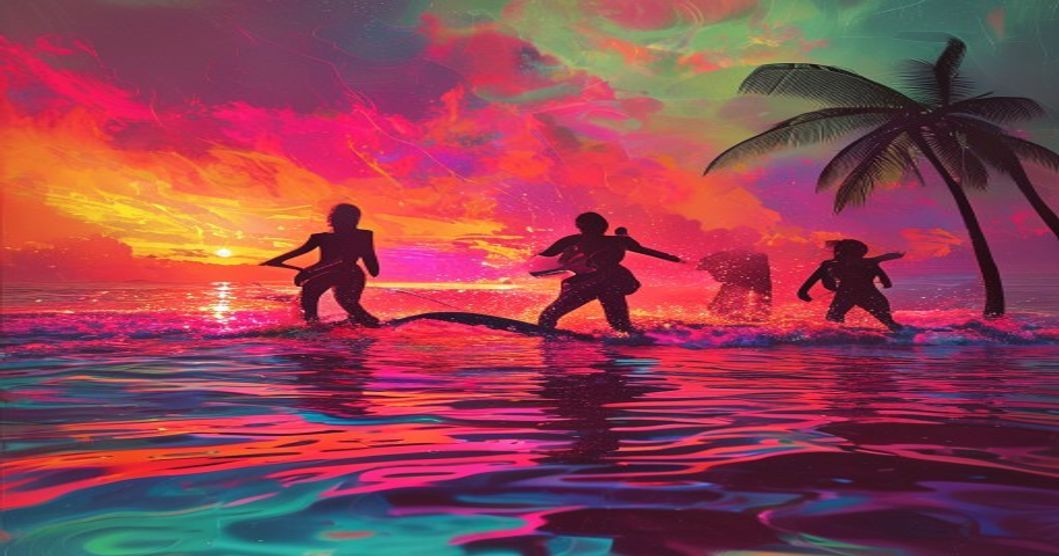
The Birth of a Wave: Early Surf Rock
Surf rock emerged in the early 1960s in Southern California, a sonic reflection of the surf culture that was sweeping the coast. The genre's defining characteristic is its heavy use of reverb, often achieved by playing through a Fender Twin Reverb amp turned up to 12, creating a wet, cavernous sound that evokes crashing waves. The godfather of surf rock, Dick Dale, pioneered this sound with his lightning-fast staccato picking on his signature Fender Stratocaster. His 1962 hit 'Misirlou' remains the genre's anthem, a relentless Middle Eastern-influenced instrumental that showcased Dale's 'wet' reverb and aggressive attack.
Key Artists and Essential Albums
Beyond Dale, the genre exploded with instrumental bands like The Ventures, whose album 'Walk, Don't Run' (1960) featured clean, melodic lines, and The Chantays, known for the iconic 'Pipeline' (1963). The Beach Boys brought vocal harmonies to the mix, with 'Surfin' Safari' (1962) and 'Surfer Girl' (1963) capturing the carefree spirit. In the Surf Rock Revival of the 1990s, bands like Man or Astro-man? and Los Straightjackets brought back the twang and reverb, while modern acts like La Luz and The Mermen continue to push boundaries. Essential albums include:
- Surfer's Choice (Dick Dale, 1962)
- Walk, Don't Run (The Ventures, 1960)
- Pipeline (The Chantays, 1963)
- Jet Set (Los Straightjackets, 2000)
- Of Men and Angels (The Mermen, 1996)
The Gear That Defines the Tone
Surf rock's sound is inseparable from specific gear. The Fender Stratocaster (especially a 1960s model with a tremolo arm) provides the bright, cutting tone. Fender Showman and Twin Reverb amplifiers are essential, often cranked to produce natural tube overdrive and reverb. The Fender Reverb Unit (a standalone tank) became the secret weapon, adding that iconic spring reverb 'drip.' For a more modern twist, EarthQuaker Devices' Levitation pedal replicates the surf reverb effect, while Boss FRV-1 is a faithful emulation of the Fender '63 Reverb.
Surf Rock Scenes Today
While the original scene faded by the late '60s, surf rock thrives in pockets worldwide. The Surf Guitar 101 community and festivals like The Surfer Joe Summer Festival in Italy keep the flame alive. In Japan, bands like The Surfrakes celebrate the genre's raw energy, while the UK's The Krontjong Devils blend surf with punk. The genre's influence can be heard in punk (Agent Orange's 'Living in Darkness'), garage rock (Thee Oh Sees), and even indie pop (Alvvays). Surf rock's reverb-soaked twang remains a timeless call to the waves.